Alterations, repairs and made-to-measure work
We work on most everyday and formal garments. Below is what each type of job involves, how a job runs from first message to collection, and what to bring with you.
-
Trouser and skirt alterations
Hems are the most common job we see. We finish them to suit the garment: a plain turned hem, a turn-up on formal trousers, a blind-stitched hem that does not show on the outside, or hem tape on heavier cloth to protect the edge from wear against the shoe.
Waists are usually adjusted through the centre-back seam, where most trousers carry extra allowance. Legs can be tapered from the knee down, or from the seat, and we keep the crease line straight when we do it. Skirts are shortened from the hem or, where the pattern or a vent prevents that, from the waist.
-
Jacket and coat adjustments
Sleeves are shortened from the cuff in most cases. Where the cuff has working buttonholes, the sleeve is shortened from the shoulder instead, which takes longer and needs a fitting. Side seams and the centre-back seam can be taken in to reduce bulk around the waist.
We also settle collars that stand away from the neck, re-line jackets and coats whose linings have torn or worn through, and replace sleeve linings. Shoulder alterations are assessed individually because they affect how the whole garment hangs.
-
Made-to-measure suits and jackets
We take a full set of measurements and add posture notes — the slope of each shoulder, how far forward the neck sits, the shape of the seat and shoulder blades. These are used to draft an individual pattern rather than to adjust a standard size.
Cloth is chosen with you from swatches, by weight, weave and how often the garment will be worn. The garment is fitted at least twice: once in a basted stage, once nearly finished. Buttons, linings and pocket details are agreed in writing before cutting.
-
Formal and occasion wear
Dresses, gowns and formal suits often combine delicate cloth, linings and boning or structure. We hem through multiple layers separately, adjust bodices at the side seams, fit straps and add bustles or loops where needed.
For weddings and events, please contact us well before the date so there is time for two fittings and final pressing.
-
Repairs and restoration
Zips are replaced with a matched length, tooth type and colour, whether in trousers, skirts, jackets or coats. Split seams are re-sewn along the original stitch line, moth holes and small abrasions are darned or backed with a patch, and torn pocket bags are renewed.
Buttons are sewn on with a thread shank, so they sit correctly over thick cloth and do not pull the buttonhole. Belt loops, hanging loops and linings are repaired at the same time where useful.
-
Pressing and finishing
Pressing is done with steam over shaped tools — a tailor’s ham for curved areas such as the chest and seat, a sleeve board for sleeves and narrow legs, and a point presser for opening seams in collars and lapels. A press cloth is used to avoid shine on wool and dark cloth.
Pressing is included with every alteration and is also available on its own for garments that need to be refreshed before an occasion.
What we do not take on
We do not work on leather, suede, fur or waterproof membrane garments, because they need specialist machines and seam sealing that a careful result depends on. We are happy to say so early, so you can take the garment to the right place.
How a job runs
- First messageYou e-mail or call with a description of the garment and the change you want, ideally with photos of it being worn.
- FittingAt the workroom we put the garment on, pin and chalk the changes and check them in the mirror with you.
- Written noteWe record each change, the measurement involved and the agreed collection arrangement. The note stays with the garment.
- WorkWe unpick, cut and sew, matching thread and construction to the original.
- Second fittingFor anything that affects fit — rather than a straightforward repair — we check the result on you before final finishing.
- Pressing and collectionThe garment is pressed and ready to collect, or returned by the arrangement agreed at the start.
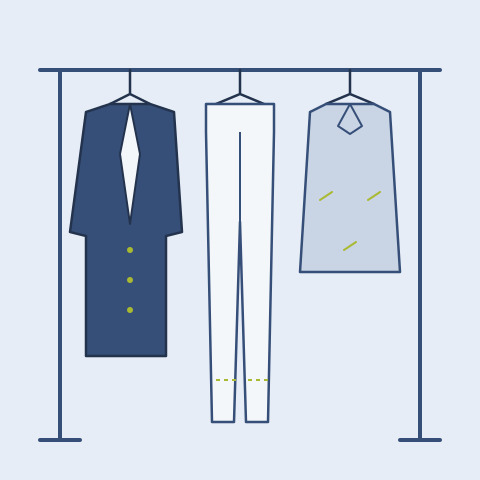
What to bring to a fitting
- The shoes you will wear with trousers, skirts or dresses being hemmed.
- The belt you normally wear, for any waist alteration.
- The shirt or layer you wear under a jacket or coat being fitted.
- Any spare buttons or cloth that came with the garment.
- For occasion wear, the underwear and accessories you plan to wear on the day.
Ask about your garment
Describe the garment and the change in an e-mail, and we will reply with an outline of the work and a fitting time.
- Phone0998244311
- E-maillucaasrichardson3@gmail.com
- WorkroomDAPPER RAV LTD, 32 Chestnut Drive, Harrow, HA3 7DJ, United Kingdom
- VisitsBy appointment only